Beyond Fair Trade: The Future of Sustainable Sourcing
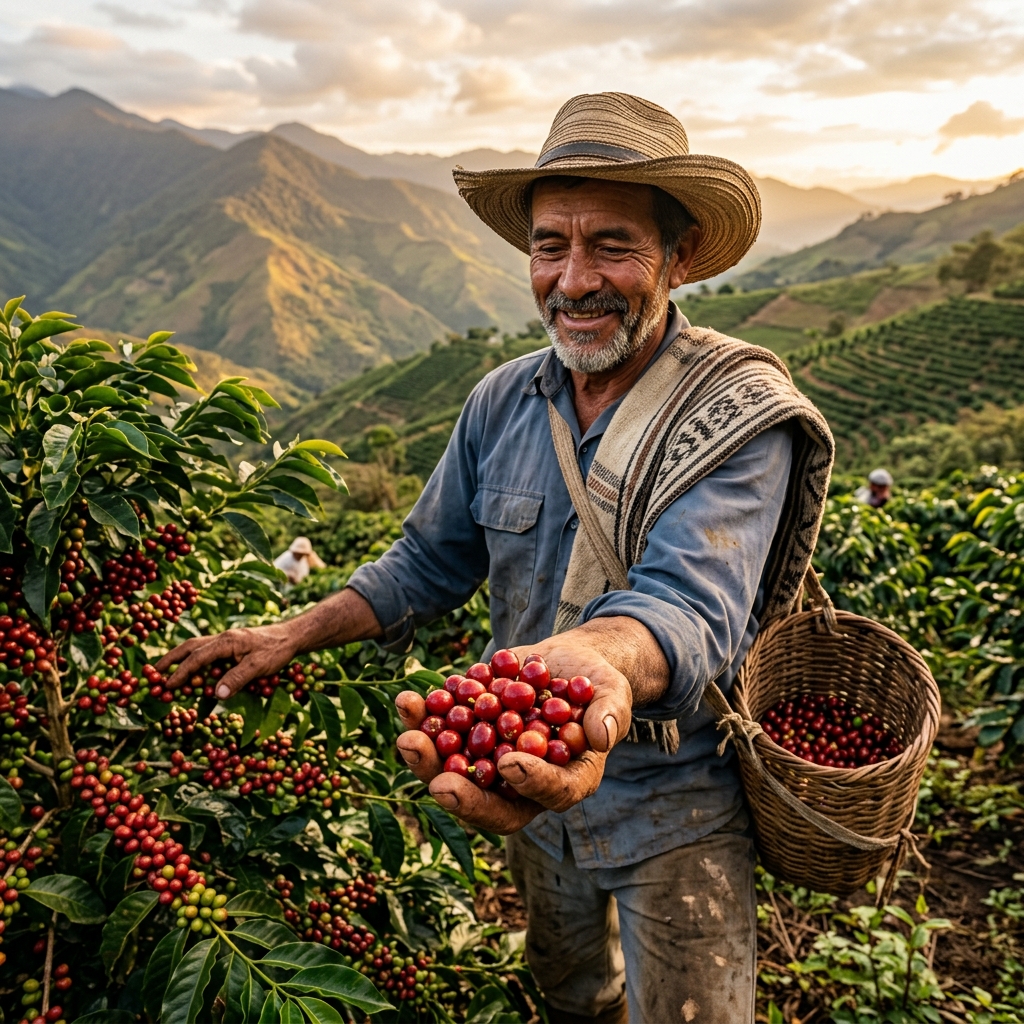
For decades, the "Fair Trade" seal was the gold standard for ethical coffee consumption. But as the specialty coffee industry evolves, we are discovering that the traditional certification models are no longer sufficient to ensure the long-term survival of high-quality coffee estates. This 1,500-word analysis explores the shift toward Direct Trade 2.0 and the looming impact of climate change.
The Institutional Limits of Fair Trade
Fair Trade was originally designed as a safety net for smallholder cooperatives, ensuring a minimum price (the "floor price") that would protect farmers from the extreme volatility of the C-Market (the global commodity price for coffee). While this served a vital purpose in the late 20th century, it has inherent limitations in the specialty sector. The Fair Trade premium is often fixed, regardless of the quality of the cup. For a farmer producing a 90+ point Gesha, the Fair Trade price is significantly lower than what the specialty market is willing to pay. Furthermore, the administrative costs of maintaining certification can often exceed the actual premiums received by the smallest producers.
The Rise of Direct Trade 2.0
Direct Trade emerged as a way for roasters to bypass the traditional supply chain and work directly with farmers. In its first iteration, Direct Trade was about relationship building—roasters visiting farms, cupping with producers, and paying premiums based on quality. Today, we are seeing the emergence of "Direct Trade 2.0," which incorporates data transparency and long-term infrastructure investment.
Direct Trade 2.0 isn't just about paying more for a bag of coffee; it's about shared risk. Modern specialty roasters are increasingly investing in farm infrastructure—building drying beds, purchasing color sorters, and funding agronomy research. By providing the capital for these improvements, roasters ensure a consistent supply of elite-tier coffee, while farmers gain the tools to increase their yields and quality without taking on predatory debt.
Climate Change and the "Coffee Belt" Shift
The most significant threat to sustainable sourcing is the changing climate. Coffee is an extremely sensitive crop, particularly *Coffea Arabica*. It requires a very specific range of altitude, temperature, and rainfall to produce the complex acids we value. As global temperatures rise, the optimal "Coffee Belt" is shifting to higher altitudes.
In regions like Huila, Colombia, farmers who once produced world-class coffee at 1,200 meters are finding that their crops are increasingly susceptible to "Coffee Rust" (La Roya) and pests like the Coffee Berry Borer, which thrive in warmer temperatures. To survive, estates must move up the mountain. However, land at higher altitudes is often protected forest or already owned by other interests. This creates a supply bottleneck that threatens to make specialty coffee a true luxury good—highly expensive and rare.
Regenerative Agriculture: The Soil-First Approach
To combat climate instability, the industry is looking toward regenerative agriculture. This approach moves beyond "organic" and focuses on restoring the health of the soil and the local ecosystem. By planting shade trees (agroforestry), producers can regulate the temperature of the coffee shrubs and provide a habitat for natural predators of coffee pests. Regenerative practices also include carbon sequestration—using the coffee farm as a tool to pull CO2 out of the atmosphere. Estates that adopt these practices are finding that their crops are more resilient to drought and extreme weather events, ensuring a more stable future for both the farmer and the roaster.
The Economics of the C-Price vs. Specialty Premiums
The fundamental economic challenge of coffee is the "C-Price"—the commodity price set on the New York Stock Exchange. For most of the last decade, the C-Price has hovered around or below the cost of production for most specialty producers. When the global price drops, many farmers are forced to abandon their farms or switch to more lucrative, but less sustainable, crops.
Specialty coffee exists in a parallel economy. By decoupling the price of coffee from the commodity market and basing it on a "Cost of Production + Profit" model, roasters can ensure that farming remains a viable profession for the next generation. At My Coffee Brew, we advocate for "Price Transparency"—the practice of publishing the "FOB" (Free on Board) price paid for every lot, ensuring that consumers know exactly how much of their purchase price reached the origin.
Case Study: Innovation in Sidama, Ethiopia
In the Sidama region of Ethiopia, we are seeing a revolution in processing. Traditionally, Ethiopian coffees were either "Washed" or "Natural." Today, farmers are experimenting with Anaerobic Fermentation and carbonic maceration. These techniques, borrowed from the wine industry, allow producers to enhance the flavor profile of their beans through microbial control. This added value allows them to charge significantly higher premiums, which are then reinvested into community schools and clean water projects. This "Value Addition" at the origin is a key pillar of sustainable sourcing—it gives the power back to the producer.
The Role of the Consumer: Ethical Brewing
Sustainability doesn't end at the farm gate; it continues to the consumer's kitchen. Ethical sourcing requires a consumer base that is willing to pay the true cost of quality. This means moving away from "bulk" mentality and toward an appreciation of coffee as a seasonal, artisan product. Every time a brewer chooses a transparently sourced bag of beans over a commodity blend, they are casting a vote for the survival of the specialty coffee industry.
Conclusion: A Shared Responsibility
The future of sustainable coffee sourcing is not found in a single certification or a single trade model. It is found in a holistic network of roasters, farmers, agronomists, and consumers who all recognize their shared responsibility for the health of the Coffee Belt. As we look toward the 2030s, the challenge will be to maintain our standards of quality in an increasingly volatile world. But with the right investments in technology and soil health, we can ensure that the "Art & Science of Coffee" continues to thrive for generations to come.