Terroir vs. Varietal: The Genetics of Flavor
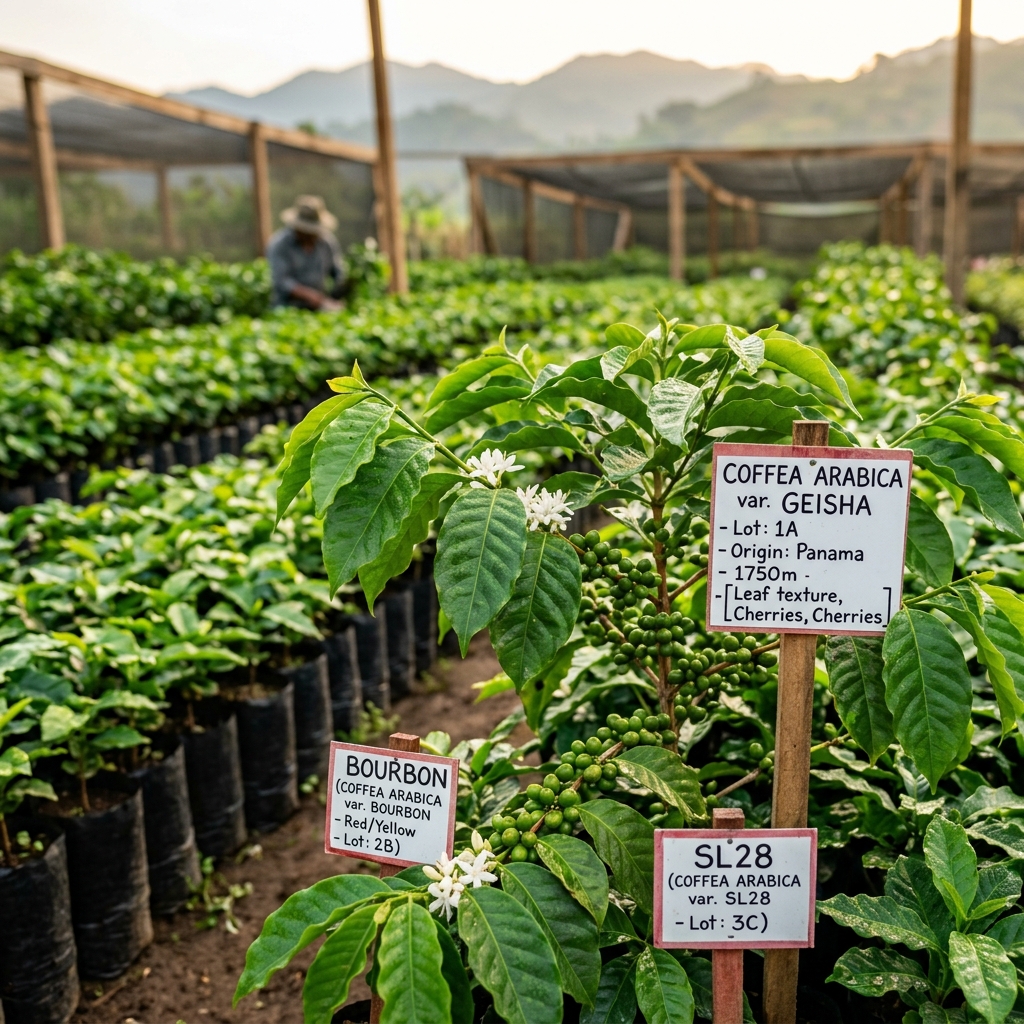
If a coffee tastes like jasmine, is it because of the soil it grew in, or the DNA of the plant itself? The "nature vs. nurture" debate in coffee is a multi-billion dollar question. This 1,400-word analysis explores the synergy between terroir (the environment) and varietal (the genetics) in shaping the sensory landscape of specialty coffee.
The Varietal: The Blueprint of Flavor
Coffee genetics are surprisingly narrow. Almost all *Coffea arabica* can be traced back to two main groups: **Typica** and **Bourbon**. From these two "heirloom" varieties, hundreds of mutations and hybrids have emerged. The varietal acts as the "biological blueprint" for flavor. For example, the **Geisha** (or Gesha) variety is genetically predisposed to produce high concentrations of floral esters, specifically linalool, which we perceive as jasmine or bergamot.
However, genetics also determine the plant's resilience. The rise of **F1 Hybrids** (like Starmaya or Centroamericano) represents a new era of coffee botany. These plants are bred to combine the high-quality flavor of traditional varieties with the disease resistance (specifically against Coffee Leaf Rust) and high yields of more robust species. For the modern authority-level sourcer, understanding these genetic lineages is critical for predicting a coffee's potential and its future sustainability in the face of climate change.
Terroir: The Expression of the Environment
If the varietal is the blueprint, **Terroir** is the construction site. Borrowed from the wine industry, terroir encompasses soil composition, altitude, rainfall patterns, and even the surrounding flora. A Bourbon variety grown in the volcanic, iron-rich soils of El Salvador will taste radically different than the same Bourbon grown in the loamy, high-altitude clay of Rwanda.
1. Altitude and Density
Altitude is the most significant environmental factor. High-altitude coffee (above 1,500m) grows more slowly due to cooler temperatures. This extended growing period allows the plant more time to concentrate sugars and organic acids within the seed. The result is a denser bean (Strictly Hard Bean, or SHB) with a more complex acidity profile. Low-altitude coffee, by contrast, matures quickly and tends to be less dense, with a simpler, more "nutty" or "earthy" flavor profile.
2. Soil Chemistry
The mineral content of the soil directly impacts the plant's metabolic processes. Phosphorus is essential for root development and sugar transport, while Potassium influences the plant's water regulation. Volcanic soils, found in regions like Antigua (Guatemala) or Kona (Hawaii), are prized for their drainage and rich mineral content, which often translates to a "sparkling" or "effervescent" acidity in the cup.
The Synergy: Nature and Nurture in Harmony
The most famous coffees in the world are those where a specific varietal finds its "perfect" terroir. The classic example is the **Panamanian Geisha**. When this variety was first brought to Central America from Ethiopia, it was unremarkable. It wasn't until it was planted on the high-altitude, volcanic slopes of the Boquete region in Panama that its true potential was unlocked. The combination of the Geisha's unique DNA and Panama's specific microclimate created a flavor profile so radical it changed the industry forever.
This synergy is also why "Origin" alone is no longer a sufficient descriptor for quality coffee. Saying a coffee is "from Ethiopia" is like saying a wine is "from France." An authority-level cupper must know the region (Yirgacheffe), the washing station (Idido), and the varietal (74110/74112) to truly understand what they are tasting.
Case Study: The Rise of the SL28
In Kenya, the **SL28** varietal is king. Developed in the 1930s by Scott Laboratories, it was bred for drought resistance. However, it inadvertently became one of the most prized flavor profiles in the world. When grown in the phosphoric, red volcanic soils of Central Kenya, the SL28 produces an intense phosphoric acidity and a "savory-sweet" character often described as blackcurrant or tomato. This varietal/terroir pairing is so distinct that it is recognizable to even novice cuppers, proving that the intersection of genetics and environment is the true source of coffee's magic.
Sustainability and the Future
As global temperatures rise, the traditional "coffee belt" is shifting. Varietals that once thrived at 1,200m now require 1,500m to maintain their quality. This is forcing a massive shift in coffee genetics. World Coffee Research (WCR) and other organizations are racing to develop new varietals that can maintain "Geisha-level" quality while surviving in "non-traditional" terroirs. The future of coffee will be defined by our ability to map these genetic and environmental variables with scientific precision.
Conclusion: A Deeper Appreciation
The next time you enjoy a cup of high-end coffee, consider the journey of that seed. It is the product of millions of years of genetic evolution and a specific, fleeting moment in a specific mountain range. By understanding the science of terroir and varietal, we don't just become better tasters—we become better stewards of the plant itself. In our next installment, we will shift our focus to the **Ethics of Direct Trade**, exploring how we can ensure the farmers who manage these complex systems are fairly compensated for their expertise.