Processing Mastery: Washed, Natural, & Honey
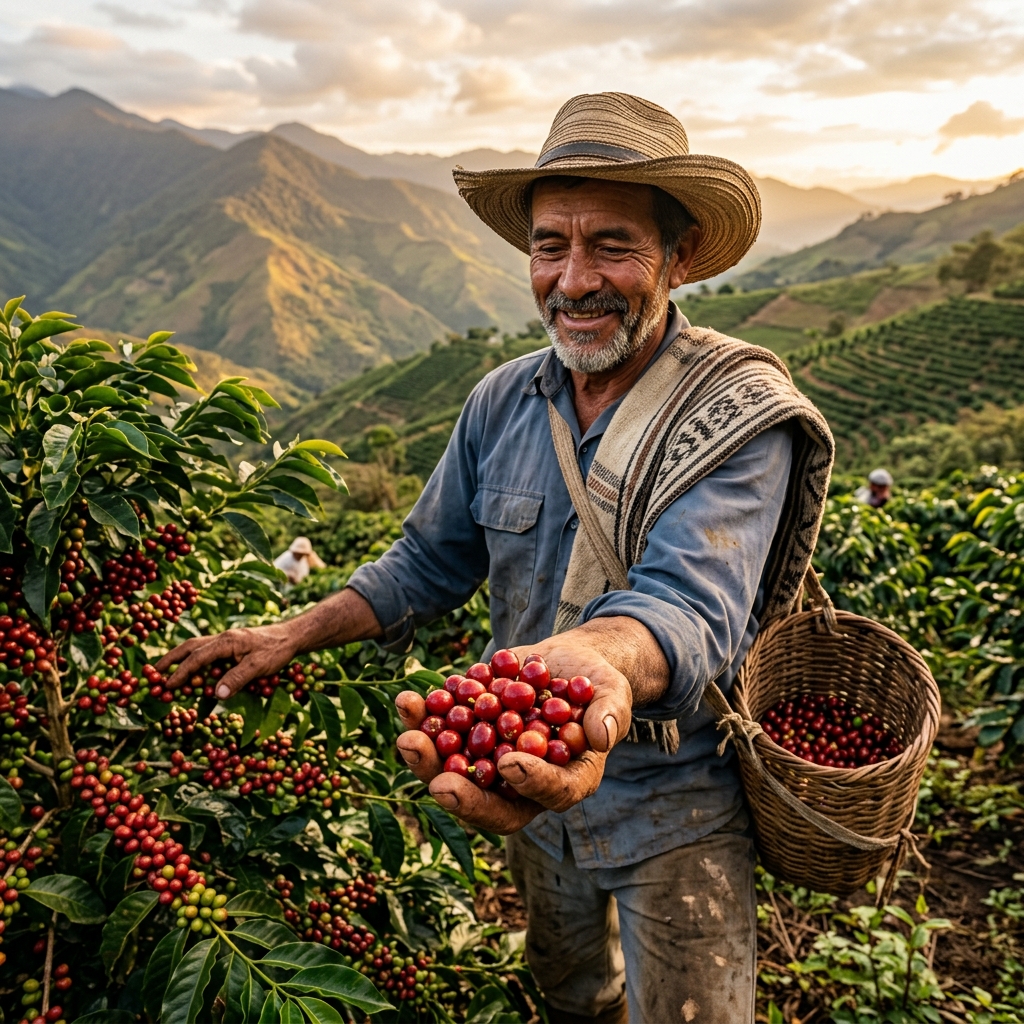
Before a bean ever reaches the roaster, it undergoes a transformation that dictates its chemical potential. Processing—the method of removing the coffee seed from the cherry—is the most significant factor in a coffee's clarity and sweetness. This 1,400-word analysis explores the traditional and modern spectrum of processing.
Washed Processing: The Pursuit of Purity
In the **Washed (or Wet)** process, the fruit is completely removed from the bean before it is dried. After de-pulping, the beans are placed in fermentation tanks to break down the sticky mucilage. The primary advantage of this method is clarity. Because the bean is dried without fruit contact, the inherent terroir and genetic characteristics of the bean shine through. Washed coffees are known for their bright acidity, clean finishes, and "transparent" flavor profiles.
Natural Processing: The Power of the Fruit
**Natural (or Dry)** processing is the oldest method. The entire cherry is dried in the sun with the bean still inside. During this period, the sugars and acids in the fruit undergo a slow fermentation, which is absorbed by the bean. Natural coffees are polarizing: they are heavy-bodied, intensely sweet, and often display wild, fruity notes reminiscent of berries or tropical fruit. The challenge for the producer is avoiding "over-fermentation" or mold, which can lead to "funky" or unclean flavors.
Honey Processing: The Middle Ground
**Honey Processing** (popularized in Costa Rica) is a hybrid. The skin is removed, but some of the mucilage (the "honey") is left on the bean during drying. Producers can control the flavor by leaving more or less mucilage, leading to Yellow, Red, or Black Honey designations. This method offers a fascinating balance: the clarity of a washed coffee with the sweetness and body of a natural. It is a favorite among baristas for creating complex, balanced espresso profiles.
The Chemistry of Mucilage
Regardless of the method, the goal is to manage the interaction between the bean's cellulose and the fruit's pectin and glucose. In Natural processing, the prolonged contact allows for the development of esters and aldehydes that don't exist in washed coffees. In Honey processing, the "tacky" nature of the drying bean requires constant turning to ensure even moisture loss, a labor-intensive process that justifies the specialty price point.
Conclusion: Decoding the Bag
When you see "Washed" or "Honey" on a bag of coffee, you aren't just reading a label—you're seeing a recipe for flavor. By choosing the processing method that suits your palate, you can predict the acidity and body of the cup before you even grind the first bean. In our final article, we will look forward to **The Future of Brewing**, exploring how AI and robotics are bringing this Origin Science into the kitchen.