The Ethics of Direct Trade: Beyond the Label
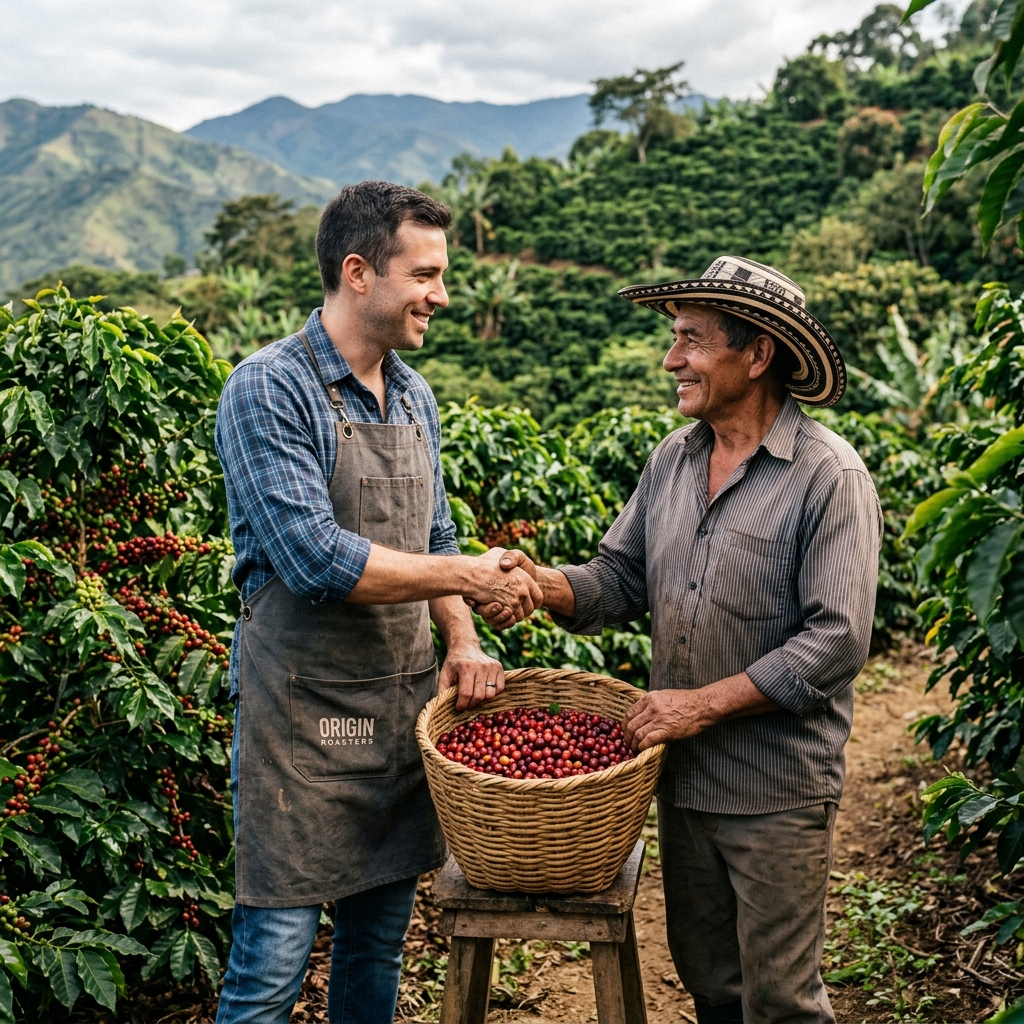
In the specialty coffee industry, "Direct Trade" is often touted as the gold standard of ethics. But as the term becomes more common, its definition has become increasingly blurred. This 1,400-word analysis explores what true direct trade looks like, the importance of price transparency, and why relationship coffee is essential for the future of the industry.
Direct Trade vs. Fair Trade: The Key Differences
To understand direct trade, we must first look at its predecessor: **Fair Trade**. Fair Trade is a certification-based model that ensures farmers are paid a "minimum floor price" for their coffee, regardless of market fluctuations. While this provides a safety net, it often fails to incentivize high quality. A farmer producing 88-point specialty coffee might receive the same Fair Trade premium as one producing 80-point commodity coffee.
**Direct Trade**, by contrast, is not a certification but a business model. It involves roasters working directly with producers, bypassing the traditional "C-Market" (the commodity exchange). The core tenets of direct trade are:
- Quality Premiums: Producers are paid significantly above the market rate based on the quality of their coffee (cupping scores).
- Transparency: Both parties share data on production costs and final sale prices.
- Long-term Relationships: Roasters commit to buying from the same farms year after year, providing economic stability.
The Economics of Transparency: FOB vs. Farmgate
The biggest challenge in coffee ethics is transparency. When a roaster says they pay "$4.00 per pound," what does that actually mean? To an authority-level sourcer, there is a massive difference between **FOB (Free on Board)** and **Farmgate** prices.
- FOB Price: This is the price paid for the coffee once it is processed, bagged, and sitting on a ship at the port. It includes the costs of milling, export taxes, and transportation within the country.
- Farmgate Price: This is the actual amount of money that goes into the farmer's hand.
In many cases, an FOB price of $4.00 might only result in a Farmgate price of $2.50 once the middlemen take their cut. True direct trade roasters publish transparency reports that break down these numbers, ensuring that the premium they pay for quality actually reaches the person who grew the coffee.
The Role of the Importer in a Direct Model
A common misconception is that direct trade means "no importers." In reality, importing coffee is a complex logistical feat involving international shipping, customs, and financing. Most direct trade roasters still work with specialized importers (like Collaborative Coffee Source or Red Fox Coffee Merchants) who act as "service providers" rather than "owners" of the coffee. The importer handles the logistics, but the price is negotiated directly between the roaster and the farmer. This "Relationship Coffee" model combines the ethics of direct trade with the efficiency of modern global trade.
Case Study: The Impact of Social Projects
Beyond the price per pound, true direct trade often involves **Social Premiums**. When a roaster has a long-term relationship with a farm, they can invest in the infrastructure of the community. In regions like Huila, Colombia, direct trade partnerships have funded clean water systems, school renovations, and even "technical cupping labs" at the farm level. These projects don't just improve lives; they improve the coffee. When a farmer has the tools to cup their own coffee, they gain the data needed to refine their processing and command even higher prices in the future.
The Risk of "Direct-Washing"
As specialty coffee grows, we are seeing the rise of "direct-washing," where large companies use the language of relationship coffee without actually following the principles. They might visit a farm once, take a few photos, and label the coffee "Direct Trade" while still paying near-commodity prices. This is why **E-E-A-T (Experience, Expertise, Authoritativeness, and Trustworthiness)** is so important for coffee brands. A roaster must be able to prove their claims through data, long-term history, and verifiable transparency.
Conclusion: A Sustainable Future
The ethics of sourcing is not just a "feel-good" metric; it is a survival metric. As climate change and economic instability make coffee farming increasingly risky, farmers will only continue to grow high-quality Arabica if it is financially viable. Direct trade is the only model that aligns the interests of the consumer, the roaster, and the producer. In our next installment, we return to the lab to discuss a critical (and often overlooked) element of quality: **Water Chemistry 201 and the role of Bicarbonate Buffering**.